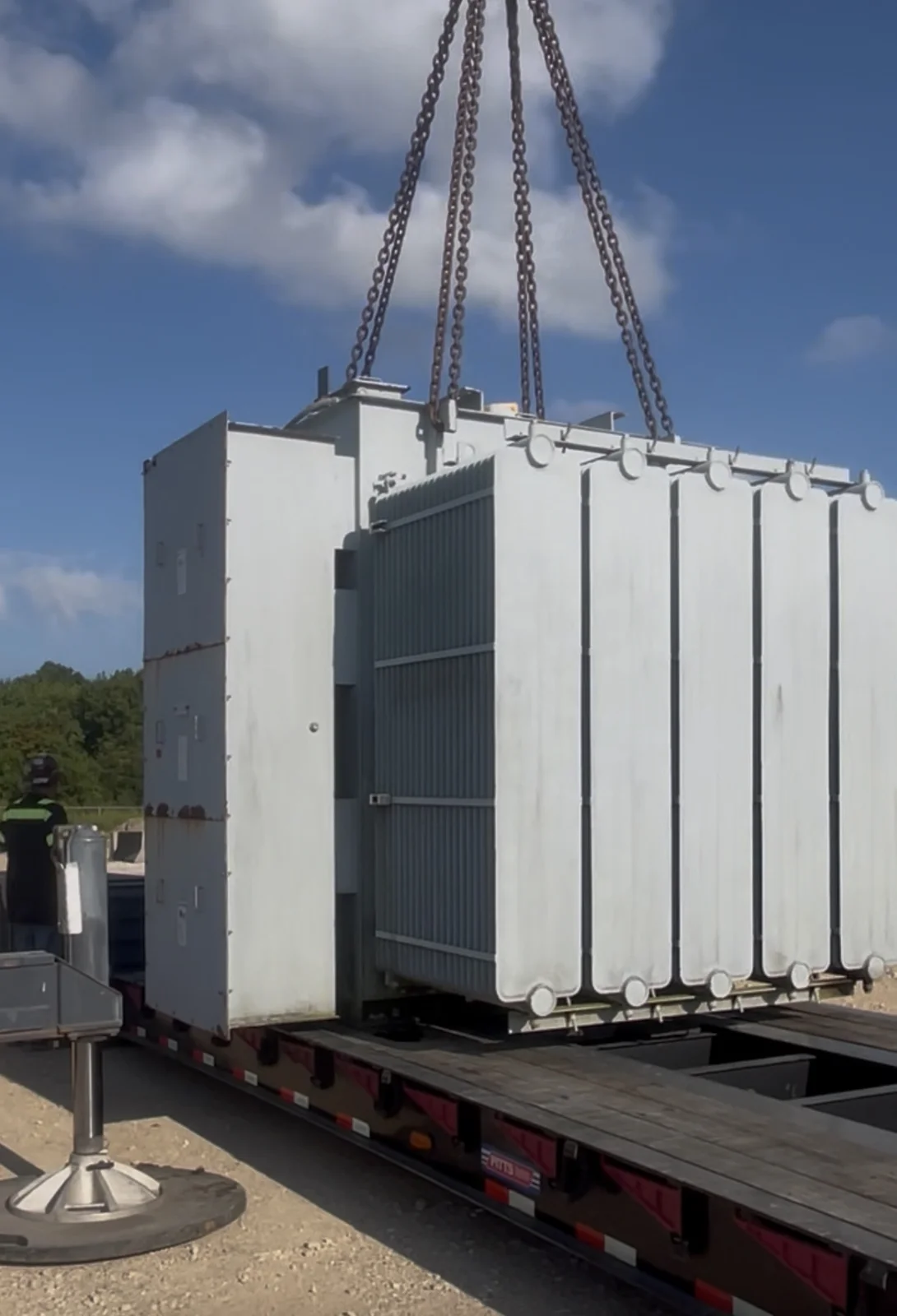
Substation transformers
Sell a complete substation, an individual power transformer, or a mixed lot of transmission and utility surplus.
 346-492-7222
Purchasing for utilities and industrial facilities
Sell surplus transformers, substations, switchgear, breakers, and turbines. We also handle transformer repair, equipment removal, and turnkey industrial demolition and cleanup.
 Substation transformer
From an individual pad-mounted transformer to a complete decommissioned substation or plant equipment inventory.
Sell a complete substation, an individual power transformer, or a mixed lot of transmission and utility surplus.
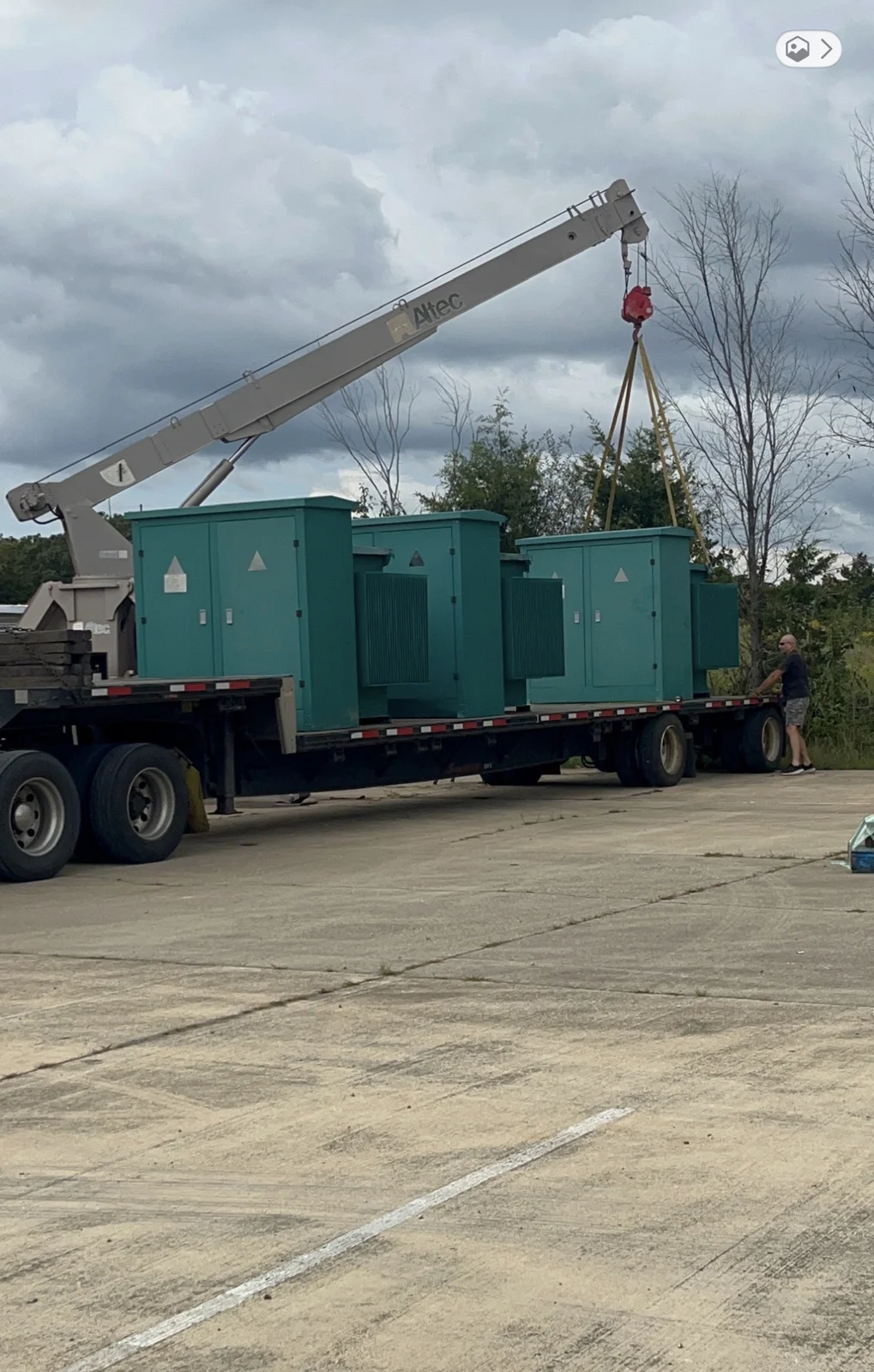
Sell used, surplus, or failed pad-mounted distribution transformers. We review single units and fleet lots.
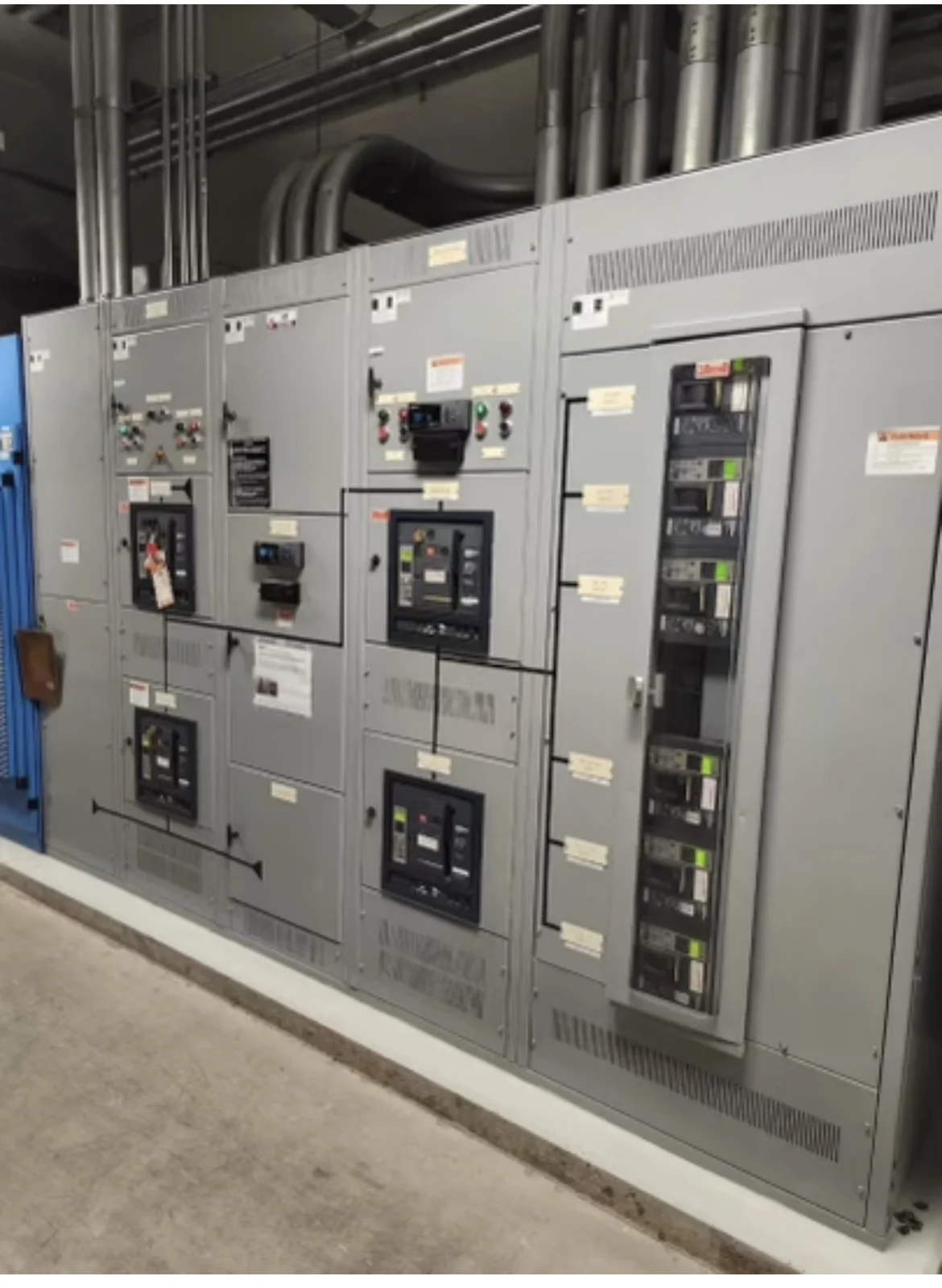
Sell SF6 circuit breakers, vacuum and air breakers, switchgear lineups, and substation components.
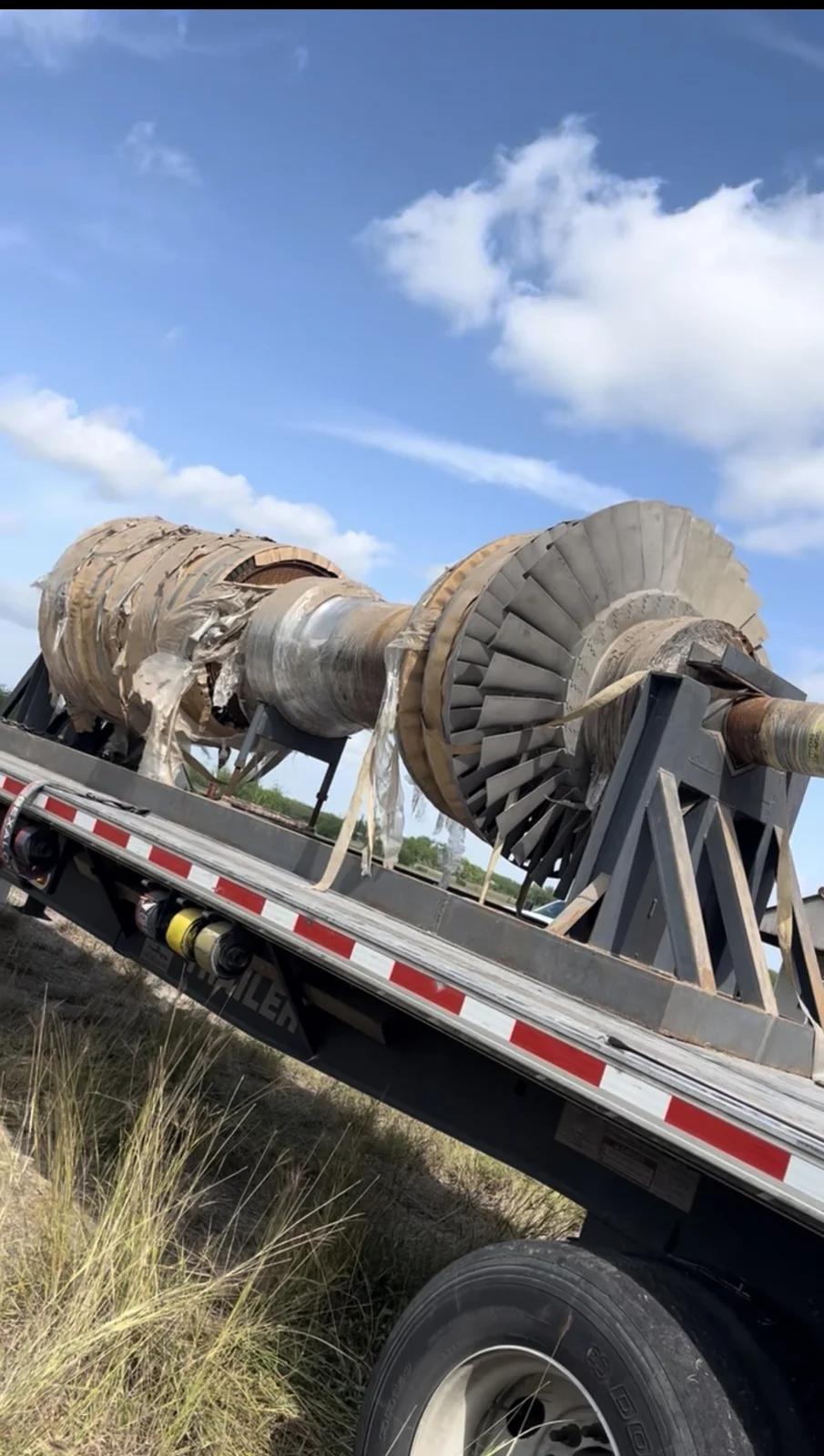
We review surplus steam and gas turbines, rotors, and related power generation equipment for purchase and removal.
Send a mixed inventory of generators, voltage regulators, electrical distribution equipment, or other industrial machinery for review.
We buy working and non-working equipment, obsolete spares, and scrap electrical equipment.
One point of contact for equipment purchasing, removal, demolition, and cleanup.
We handle full industrial demolition and cleanup for plants, factories, and other industrial sites. We review the inventory alongside the demolition scope so recoverable electrical and mechanical assets can be priced before dismantling. The agreed scope can include asset recovery, equipment pullout, debris removal, and site cleanup.
Prepare a demolition scope ↗We can buy and pull equipment still in place and provide crews for domestic and international projects. We coordinate industrial dismantling, rigging, crane loading, heavy hauling, and transportation to suit the site and schedule. We take on individual transformer removals, turbine dismantling, and larger power plant decommissioning scopes.
Plan an equipment removal ↗Call us about a failed or underperforming padmount, substation, or industrial power transformer. We discuss transformer repair, rewinding, and replacement supply based on your unit and outage window. Have the kVA or MVA, primary and secondary voltages, symptoms, and available test reports handy.
Call for transformer repair · 346-492-7222If your site uses industrial electrical equipment, we can review what you have. We work with facility owners, contractors, repair shops, and brokers in the U.S. and internationally.
We work with power plants, electric cooperatives, municipal utilities, and city electrical contractors on surplus turbines, substation transformers, switchgear, and breakers.
Send us a single transformer or a mixed equipment inventory from a steel mill, a pulp and paper mill, a gold mine, or another mining operation.
We review generators, transformers, and other plant equipment from shipyards and industrial facilities. We can also scope equipment pullouts, demolition, and site cleanup.
We buy surplus transformers, switchgear, and electrical distribution equipment from semiconductor fabrication plants, including equipment retired during facility upgrades.
We work with industrial electrical contractors and transformer rewind and repair companies on surplus inventory, working units, and failed transformers.
We work with brokers on individual units, mixed lots, and full facility inventories. Send an equipment list, the location, and any removal deadlines.
Send the nameplate, equipment photos, condition, location, and your removal schedule.
We review the equipment, discuss pricing, and agree on payment and removal terms.
We coordinate site access, loading, and transportation once terms are agreed.

CEO, Megawatt Industries
Our team brings more than 40 years of industrial experience across utilities, power generation, manufacturing, refineries, and other industrial facilities. We review mixed inventories and can scope the purchase, removal, demolition, and cleanup as one project.
No. We consider working, non-working, obsolete, and scrap equipment. Describe known issues so the review reflects its actual condition.
Nameplate photos, equipment ratings, condition, quantity, location, available test reports, and your removal timeline.
Removal and transportation needs can be reviewed with the purchase opportunity. Scope and responsibilities must be agreed before work begins.
What to send with an inquiry, what to include in a removal scope, and when to call about a repair.
Start by deciding what goes with the sale. A whole substation inventory might include a power transformer, breakers, switchgear, regulators, control equipment, and spares. List what is staying on site so the buyer can price the same scope your team is offering.
Send nameplate photos, MVA and voltages, condition, location, any available test records, and the earliest release date. If the equipment is still installed, say who will handle disconnection and when access becomes available. A single-line drawing, if available and approved for sharing, can help explain which equipment is included.
Megawatt Industries reviews both complete substation packages and individual used power transformers. If the deal includes transformer removal, include the expected work window and any limits on truck or crane access.
Discuss substation equipment removal ↗A surplus transformer buyer can evaluate working units, failed units, and lots of padmounts retired during an upgrade. For one unit, a clear nameplate photo and a wide shot of the cabinet are a good start. Include kVA, primary and secondary voltages, phase, city, and the reason it came out of service.
For a fleet lot, put each serial number on its own row. Label the photos with the serial number so a buyer can match the condition and ratings to each unit. Include any known damage or missing parts and whether the units are staged for loading.
If the transformer is still on its pad, note that in the first inquiry. The buyer can discuss pickup and removal together with the purchase.
See the equipment we buy ↗Start with the service problem and your deadline. Tell us whether the transformer has failed, is showing a recurring issue, or needs evaluation before a scheduled outage. The nameplate and site location help identify the unit and plan the conversation.
If your maintenance team has recent test reports, oil analysis, or service records, send what is already available. Include the last known operating condition and any prior repairs. A repair conversation can then cover the symptoms, turnaround, transportation, rewind options, and replacement availability.
If downtime is the biggest cost, say so up front. The useful comparison is the time and scope required to restore service, including shipping or installation where relevant. Call Megawatt at 346-492-7222 to discuss your transformer repair.
See transformer repair and rewinding ↗Begin with the boundary of the job. A single production line, a power block, and an entire facility each have different access and handoff requirements. Mark what must stay in service, what can be removed, and what condition the owner expects at turnover.
Create two working lists early: equipment available for purchase and materials or areas included in demolition and cleanup. Transformers, switchgear, turbines, and generators may be worth reviewing before anyone prices the entire inventory as scrap. Flag any owner-assigned environmental work and documentation requirements when defining the scope.
Give the project team the shutdown schedule, staging space, and site rules. One agreed scope should say who is handling equipment removal, hauling, debris removal, and final cleanup.
See demolition and site cleanup services ↗Identify the turbine and the boundary of the package. Send the manufacturer, model, serial number, whether it is a steam or gas turbine, and available operating or maintenance records. Note whether the generator, controls, auxiliaries, rotor, and spares are included.
Explain whether the unit is installed or already dismantled. If it is installed, provide the shutdown window, site location, available drawings, and any known restrictions on access or staging. For international projects, include the country and the expected handoff point for transportation.
Ask for purchase and removal to be scoped together so the parties agree on what is being bought, who will remove it, and where it changes hands.
Discuss turbine dismantling and removal ↗For switchgear, photograph the full lineup and identify the individual sections. The manufacturer, model, voltage class, and existing one-line documentation can help distinguish a usable lineup from a group of spare parts.
For spare breakers, list the breaker type, including SF6, vacuum, or air where known, and send the nameplate and condition. Note whether the breaker is loose, installed in a cell, or part of a larger substation package.
See switchgear and breakers we buy ↗Give the removal team your earliest access date and the date the area must be clear. Share the unit dimensions and weight when available, along with known site restrictions and the point at which the owner can release the equipment.
Agree on responsibilities for disconnection, loading, rigging, transport, and handoff before fixing the schedule. A dated site contact list and a clearly defined work window help everyone price the same job.
See transformer removal services ↗Walk the inventory by area, starting with reusable electrical and mechanical assets. Keep a short description, model or serial number, location, condition, and photo for each item you want reviewed. Include loose spares and stored equipment.
Mark which equipment can be released early and which must remain until shutdown. That gives the owner a chance to combine lots, plan removal, and decide what to include in the demolition package.
See demolition and asset recovery ↗Yes. Send what you know about the failure or condition and explain whether the equipment is still installed. A buyer may consider a repairable unit, a parts candidate, or scrap depending on the equipment and pickup scope.
Separate working units from failed units on your inventory. State what has been removed, whether records are available, and where the equipment is located. That makes it easier to review a mixed lot and price the work needed to collect it.
See equipment purchasing ↗Start with the asset list, site country, project dates, and whether the equipment is installed or ready for pickup. Share the available drawings, equipment dimensions, and site access requirements.
Identify the point where responsibility changes hands. For example, a purchase at the plant and a shipment delivered to a port involve different scopes. Tell us whether you need dismantling, loading, inland transportation, or a broader turnkey removal and cleanup plan.
Discuss international equipment removal ↗


We purchase surplus, used, and non-working turbines and turbine components. We handle turbine removal projects, including dismantling, rigging, loading, and transportation planning.
We purchase substation transformers, breakers, switchgear, and complete surplus substation equipment packages. We provide removal services with project-specific plans for disconnection, equipment handling, and hauling.
Looking for a transformer, breaker, switchgear, or other industrial equipment? Send your required ratings, specifications, quantity, and delivery schedule so we can help source and supply the right equipment.
We arrange rewinding and repair for electrical equipment. Send the equipment specifications, known faults, and available test reports for a review of repair options and scope.